
YouTube
25-Sardar Sarovar- Harnessing the Power of the Narmada
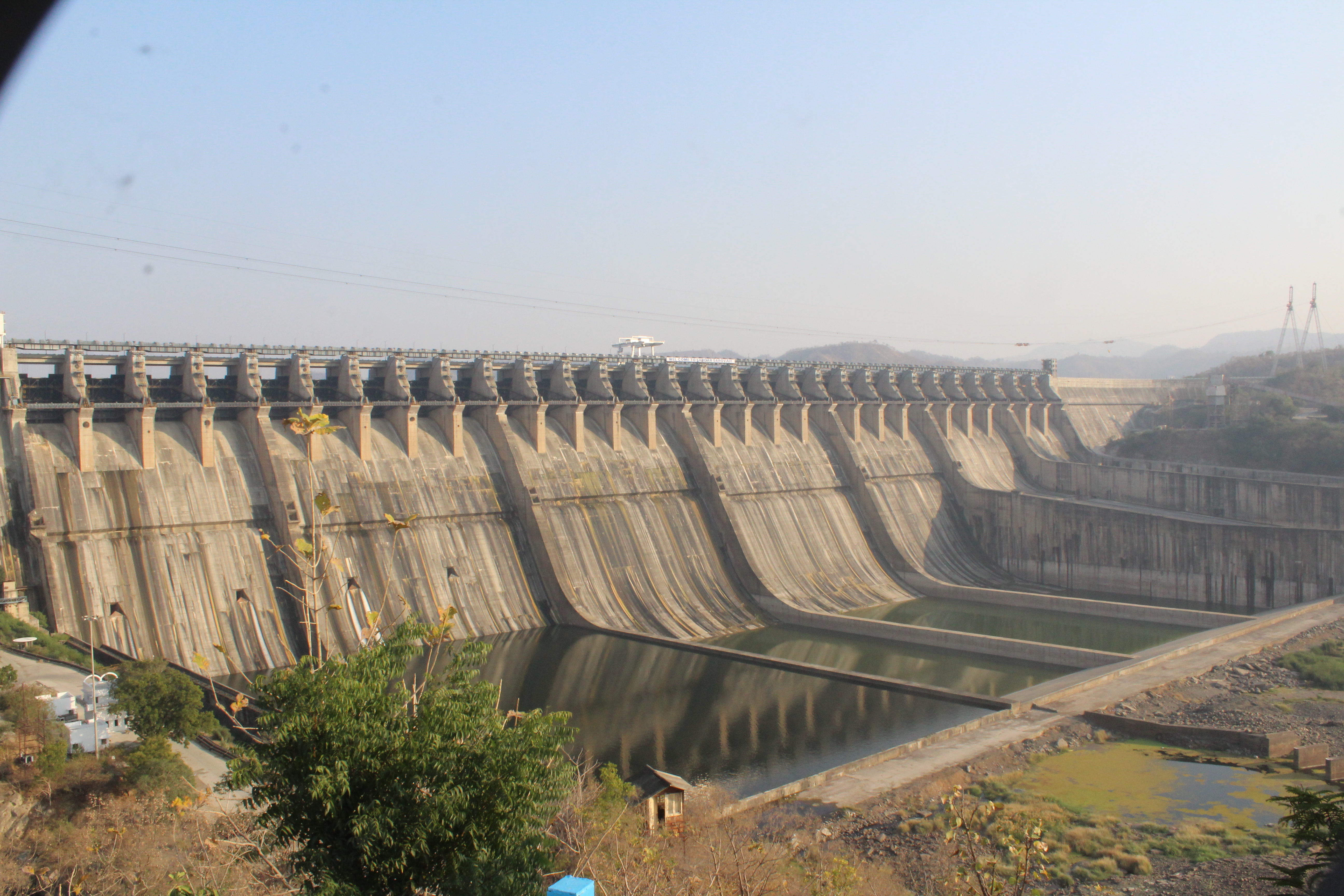
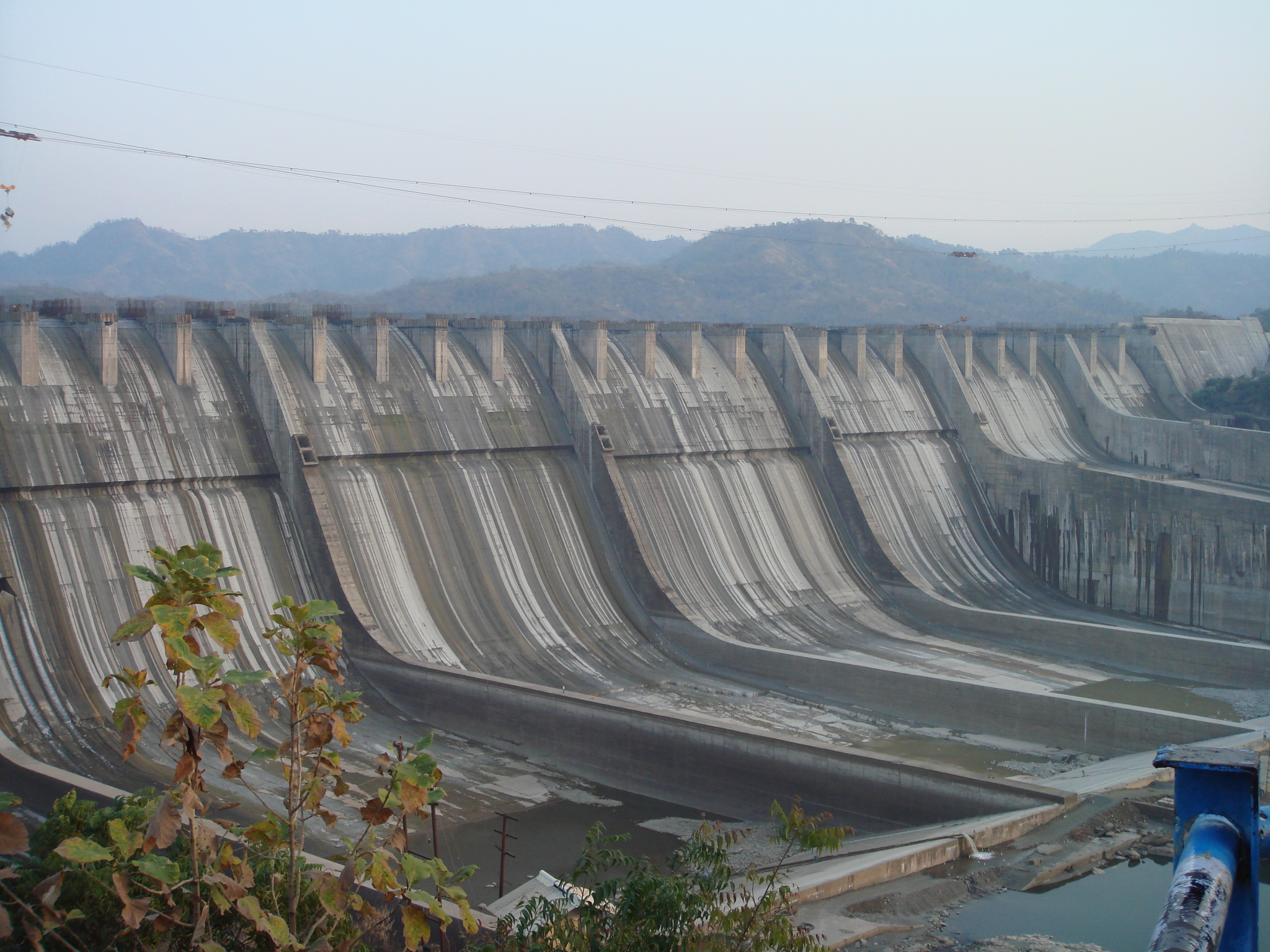
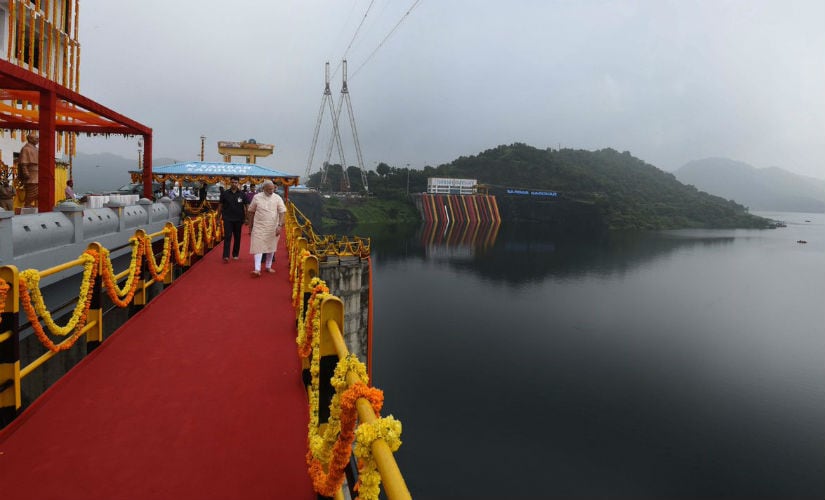
Good morning friends. Today we travel west, to the mighty Narmada River, where one of India’s largest river valley projects reshaped an entire region — the Sardar Sarovar Dam. Built in Gujarat near Kevadia, the Sardar Sarovar Dam stands about 138.68 meters high and stretches over 1.2 kilometers across the Narmada. It is a concrete gravity dam, designed to use its own weight to hold back the vast force of the river. Behind it lies a reservoir extending deep into Madhya Pradesh, covering hundreds of square kilometers. The idea of harnessing the Narmada began soon after independence, but the project required decades of planning, inter-state agreements, and technical studies. The Narmada flows across Madhya Pradesh, Maharashtra, and Gujarat before reaching the Arabian Sea, and its waters needed coordinated management among multiple states. One of the most remarkable features of the project is its canal network. The Narmada Main Canal runs over 450 kilometers in Gujarat and extends into Rajasthan, carrying water across arid regions. In total, thousands of kilometers of branch canals distribute irrigation water to drought-prone areas that once depended heavily on uncertain rainfall. The dam also generates hydroelectric power shared among participating states, contributing significantly to regional energy needs. Beyond irrigation and electricity, the project supplies drinking water to thousands of villages and urban centers across western India. What makes Sardar Sarovar remarkable is not just its size, but its scale of integration — river management across states, vast canal engineering across deserts, and long-term infrastructure planning executed over decades. It stands today as one of the largest water resource development projects in independent India, shaping agriculture, energy, and connectivity across western India.
सरदार सरोवर: नर्मदा की शक्ति को दिशा देता एक विशाल प्रकल्प सुप्रभात दोस्तों। आज हम पश्चिम भारत की ओर चलते हैं, जहाँ नर्मदा नदी पर बना सरदार सरोवर बाँध एक विशाल नदी घाटी परियोजना का उदाहरण है। गुजरात के केवड़िया के पास बना यह बाँध लगभग 138.68 मीटर ऊँचा और लगभग 1.2 किलोमीटर लंबा है। यह एक कंक्रीट ग्रेविटी डैम है, जो अपने भार से नदी के प्रवाह को नियंत्रित करता है। इसके पीछे बना जलाशय मध्य प्रदेश तक फैला हुआ है और सैकड़ों वर्ग किलोमीटर क्षेत्र को आच्छादित करता है। नर्मदा के जल के उपयोग का विचार स्वतंत्रता के बाद प्रारंभ हुआ, लेकिन इस परियोजना को आकार देने में कई दशक लगे। चूँकि नर्मदा मध्य प्रदेश, महाराष्ट्र और गुजरात से होकर बहती है, इसलिए इसके जल बंटवारे और प्रबंधन के लिए अंतर-राज्यीय समन्वय आवश्यक था। इस परियोजना की सबसे उल्लेखनीय विशेषता इसकी नहर प्रणाली है। नर्मदा मुख्य नहर लगभग 450 किलोमीटर तक गुजरात में फैली है और राजस्थान तक जाती है। हजारों किलोमीटर लंबी शाखा नहरें शुष्क और वर्षा-निर्भर क्षेत्रों तक सिंचाई जल पहुँचाती हैं। इसके अतिरिक्त, यह बाँध जलविद्युत उत्पादन भी करता है, जिससे भागीदार राज्यों को बिजली मिलती है। सिंचाई और बिजली के साथ-साथ, यह परियोजना हजारों गाँवों और कई शहरों को पेयजल उपलब्ध कराती है। सरदार सरोवर की विशेषता केवल उसका आकार नहीं है, बल्कि उसका व्यापक प्रभाव है — बहु-राज्यीय नदी प्रबंधन, विशाल नहर तंत्र और दशकों तक चले तकनीकी और प्रशासनिक समन्वय का परिणाम। आज यह स्वतंत्र भारत की सबसे बड़ी जल संसाधन परियोजनाओं में से एक के रूप में खड़ा है।