YouTube
21-Hirakud Dam-The Wall That Tamed a River
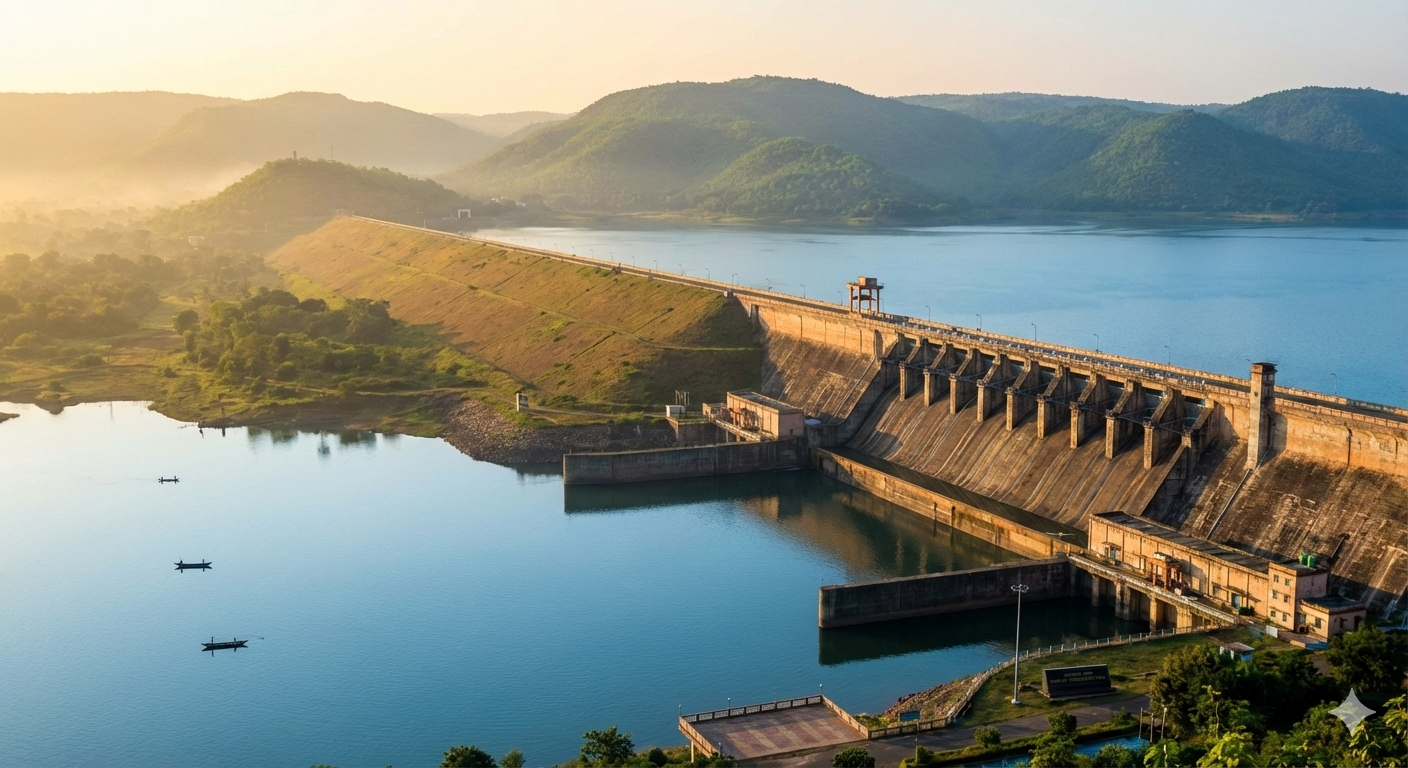
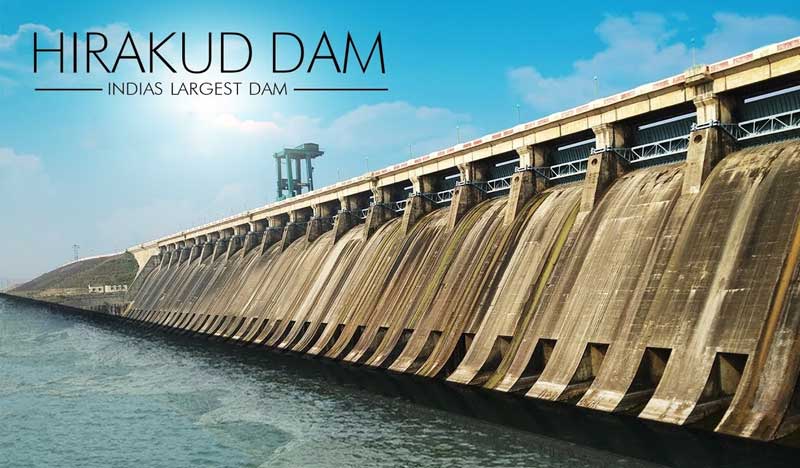
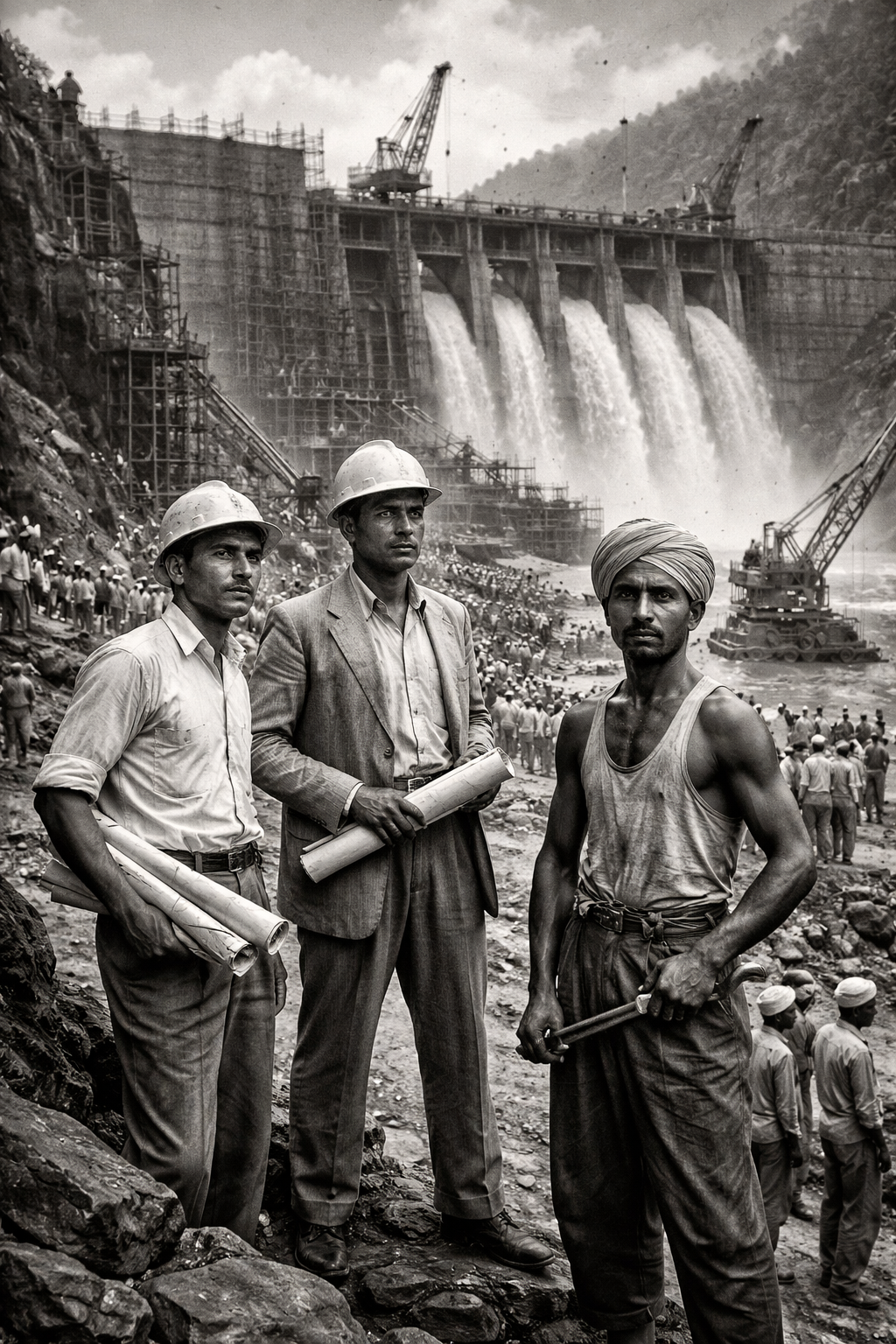
Good morning friends. Today let us stand before something massive — not in myth, not in legend, but in engineering. On the Mahanadi river in Odisha stands the Hirakud Dam, one of the longest earthen dams in the world. Construction began in 1948, just a year after India became independent. The country was young, resources were limited, but the ambition was large. The Mahanadi had long been known for devastating floods in coastal Odisha, especially the catastrophic flood of 1937. Controlling the river was not just an idea — it was a necessity. The Hirakud Dam stretches nearly 4.8 kilometers across the river, and when you include its dykes, the total length extends to about 25 kilometers. Behind it lies one of the largest man-made reservoirs in Asia, spreading over hundreds of square kilometers. When completed in 1957, it became one of the first major multipurpose river valley projects of independent India. The dam was designed for flood control, irrigation, and hydroelectric power. It transformed agriculture across western Odisha by providing assured irrigation to vast tracts of farmland. Its power stations began generating electricity that supported industries and households alike. Engineers, planners, and thousands of workers contributed to what was then considered one of the largest engineering projects in Asia. Hirakud was not built by foreign contractors or borrowed confidence. It was built by a newly independent nation determined to shape its own future. Even today, decades later, it stands firm across the Mahanadi — not just as concrete and earth, but as a reminder of what collective vision and technical skill can achieve.
हीराकुंड बाँध: वह दीवार जिसने नदी को साधा सुप्रभात दोस्तों। आज हम किसी कथा या पुराण की नहीं, बल्कि आधुनिक भारत की एक विशाल उपलब्धि की बात करते हैं। ओडिशा में महानदी पर बना हीराकुंड बाँध आज भी इंजीनियरिंग का अद्भुत उदाहरण है। इसका निर्माण 1948 में शुरू हुआ — भारत की आज़ादी के केवल एक वर्ष बाद। देश नया था, संसाधन सीमित थे, लेकिन संकल्प बड़ा था। महानदी की बाढ़ें वर्षों से ओडिशा के तटीय क्षेत्रों को प्रभावित करती रही थीं, विशेषकर 1937 की विनाशकारी बाढ़ के बाद यह स्पष्ट हो गया था कि नदी को नियंत्रित करना आवश्यक है। हीराकुंड बाँध लगभग 4.8 किलोमीटर लंबा है, और इसके साथ जुड़े तटबंधों को मिलाकर इसकी कुल लंबाई लगभग 25 किलोमीटर तक पहुँचती है। इसके पीछे बना जलाशय एशिया के सबसे बड़े कृत्रिम जलाशयों में गिना जाता है। 1957 में इसके पूर्ण होने के बाद यह स्वतंत्र भारत की शुरुआती बहुउद्देशीय नदी घाटी परियोजनाओं में शामिल हो गया। इस बाँध का उद्देश्य बाढ़ नियंत्रण, सिंचाई और जलविद्युत उत्पादन था। इसने पश्चिमी ओडिशा के विशाल कृषि क्षेत्र को नियमित सिंचाई उपलब्ध कराई और बिजली उत्पादन से उद्योगों और घरों को ऊर्जा दी। हजारों इंजीनियरों, तकनीशियनों और श्रमिकों के प्रयास से यह परियोजना साकार हुई, जिसे उस समय एशिया की सबसे बड़ी इंजीनियरिंग उपलब्धियों में माना गया। हीराकुंड केवल मिट्टी और कंक्रीट की संरचना नहीं है। यह उस आत्मविश्वास का प्रतीक है, जो एक नवस्वतंत्र राष्ट्र ने अपने भविष्य को स्वयं आकार देने के लिए दिखाया था। आज भी यह महानदी पर मजबूती से खड़ा है — भारत की क्षमता और दूरदृष्टि का प्रमाण बनकर।